Ready to play
In curriculum order. Tick a lesson once your child has done it; ticks stay in this browser only.
-
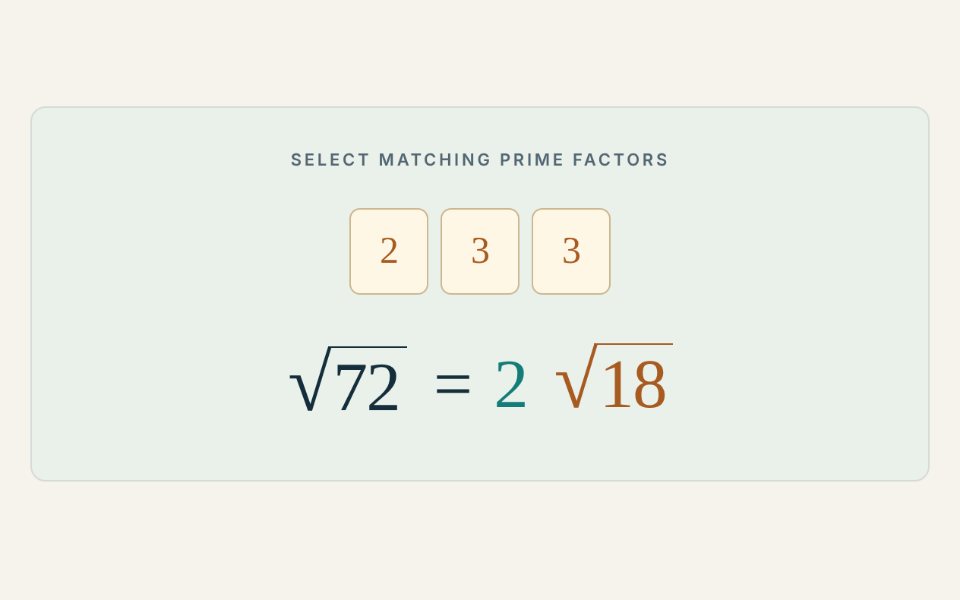
B1.3 · B2.2 · Square roots
 Up next
Radicals Unpacked — The Radical Lab
-
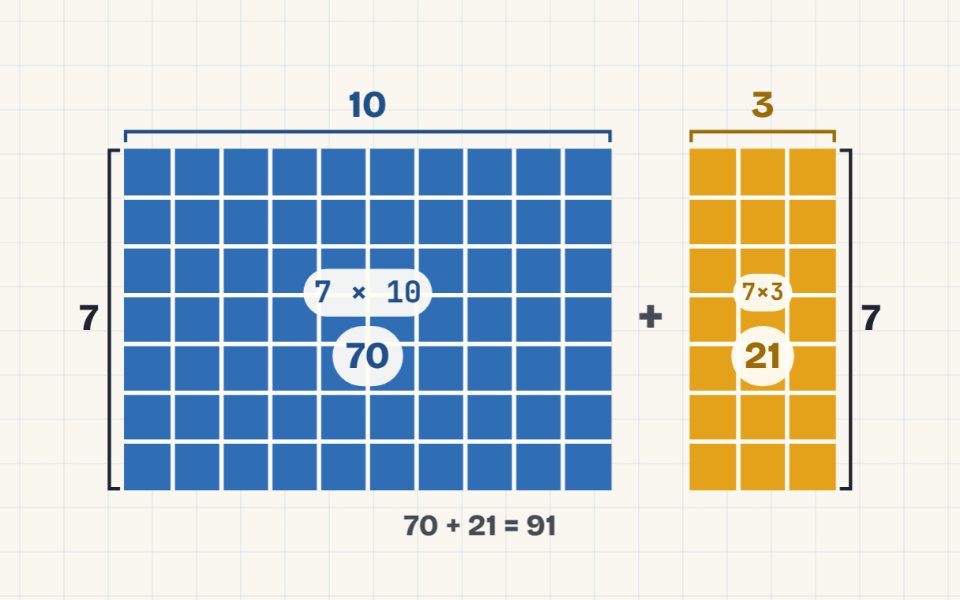
B2.1 · Properties of multiplication
 Up next
Why does 7 × 13 equal 70 + 21?
8 min -
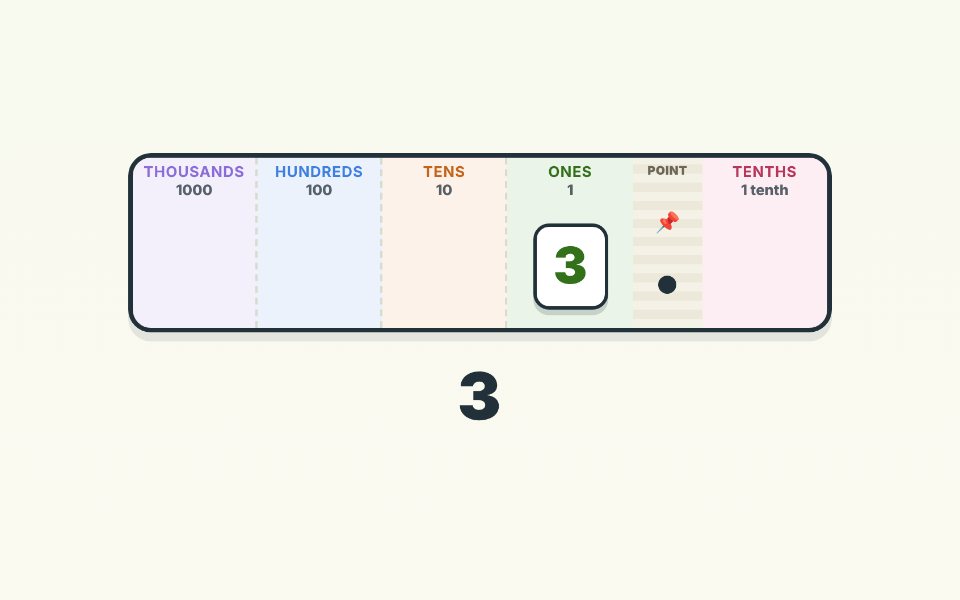
B2.3 · Multiplying by 10, 100 and 1000
 Up next
Why isn't ×10 just "add a 0"?
6 min -
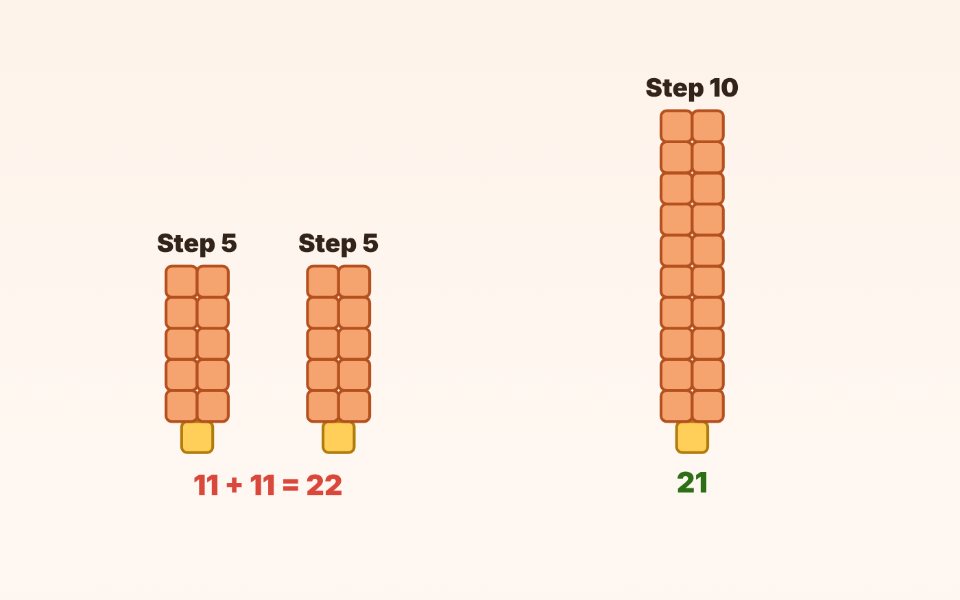
C1.1 · Repeating and growing patterns
 Up next
Does a pattern repeat or grow?
5 min -
C1.2 · One pattern, many representations
 Up next
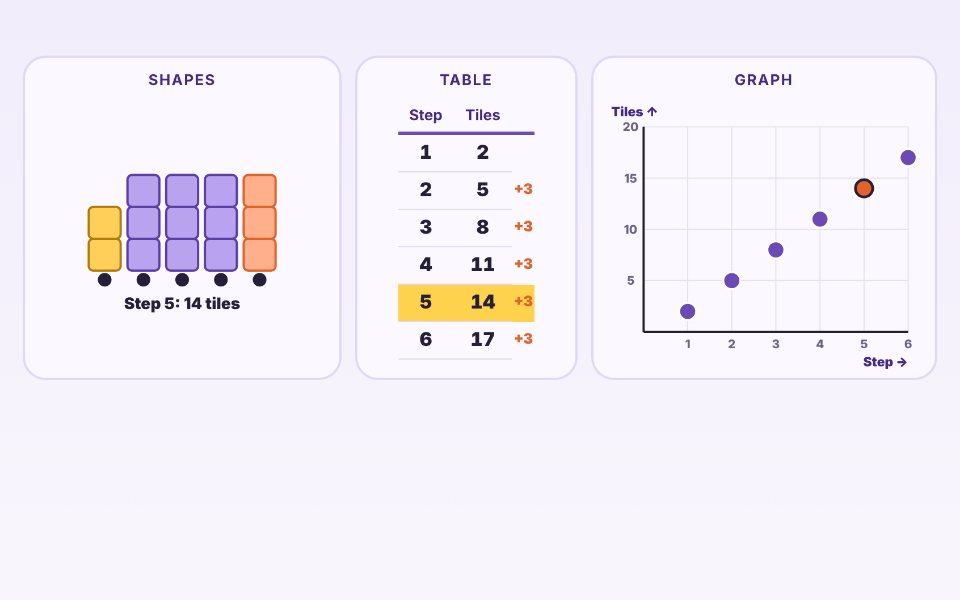
Shapes, table, graph: one pattern?
6 min -
C2.2 · Variables
 Up next
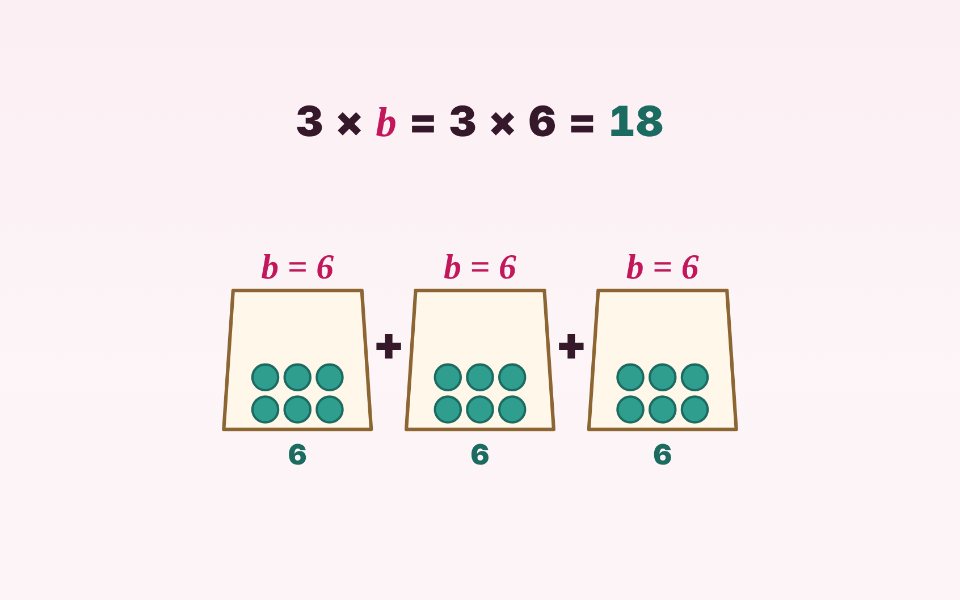
What does the letter stand for?
5 min -
C2.3 · Equations as balance
 Up next
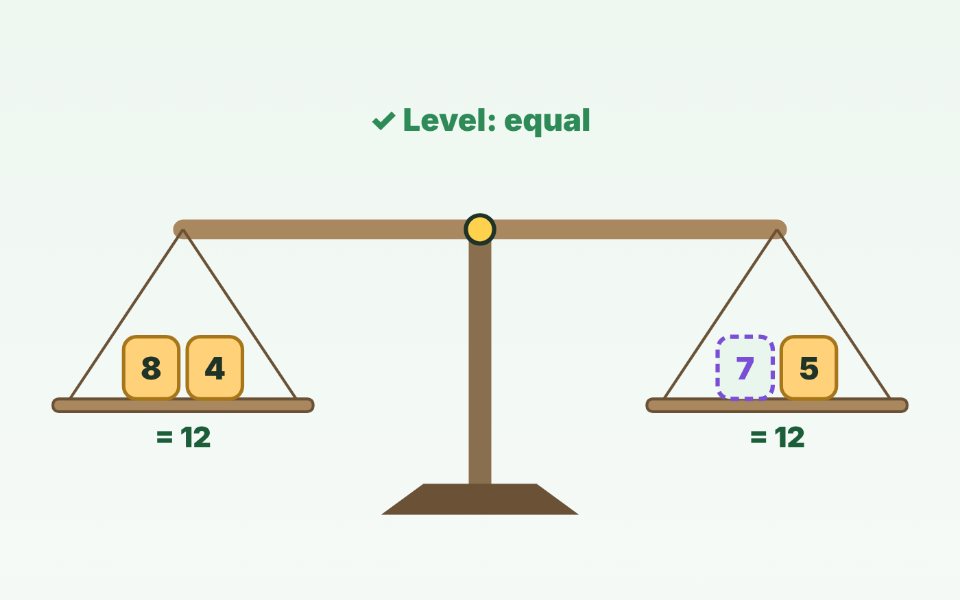
What does the = sign really mean?
15 min -
C2.4 · Inequalities
 Up next
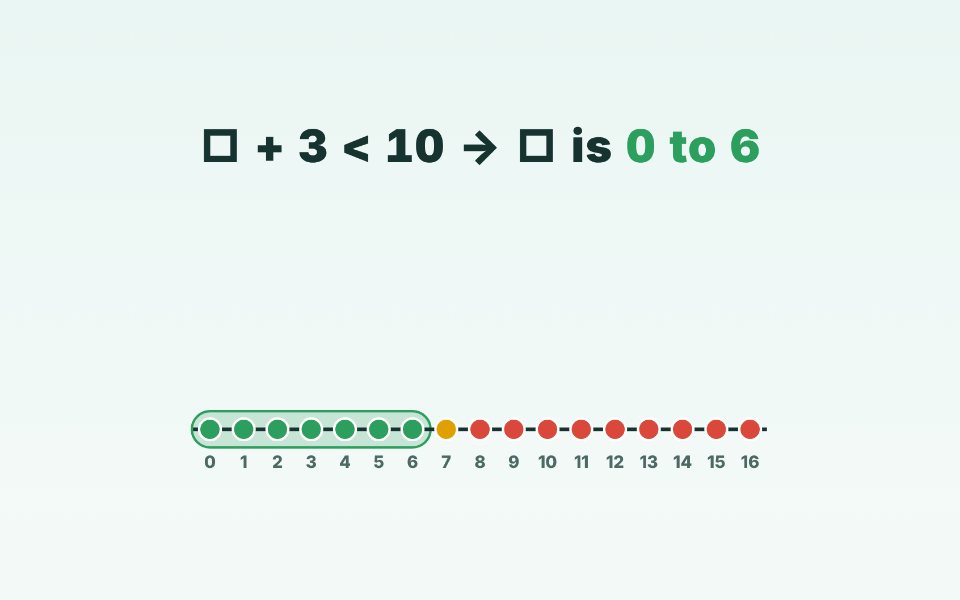
How many answers can □ + 3 < 10 have?
5 min -
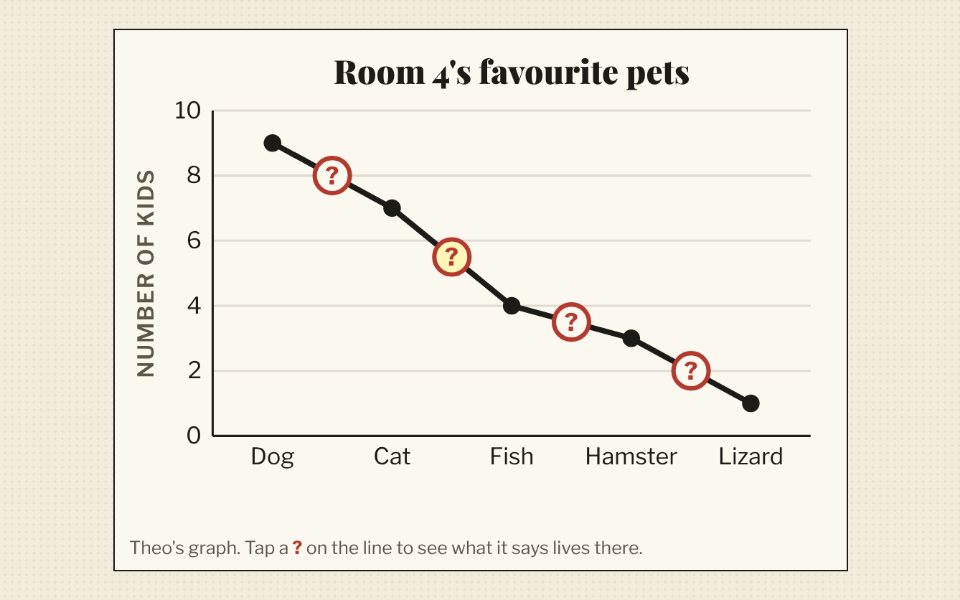
D1.3 · Kinds of data and choosing a graph
 Up next
Can a graph lie about pets?
8 min -
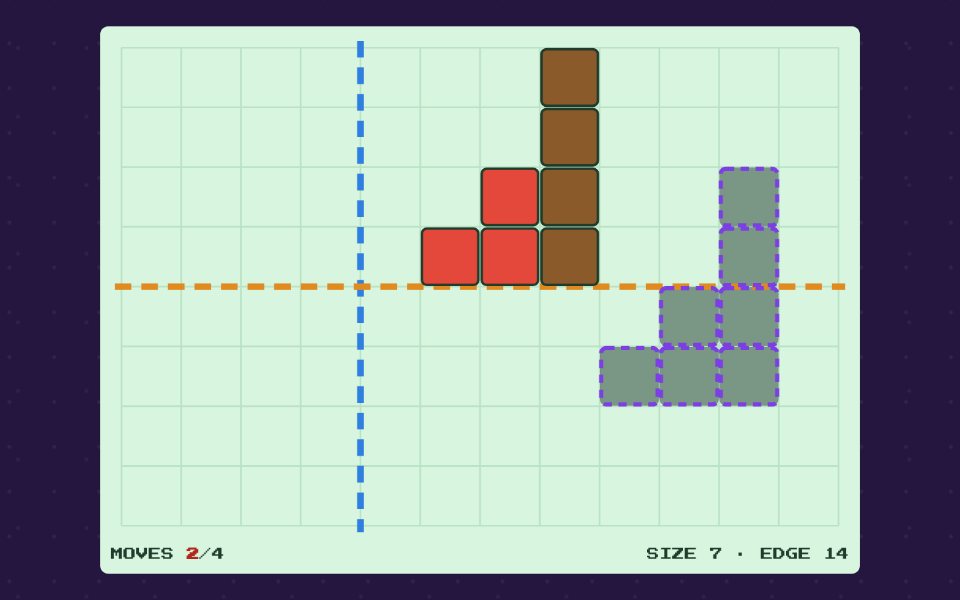
E1.4 · Translations and reflections
 Up next
Flip and slide: fit the shadow
7 min -
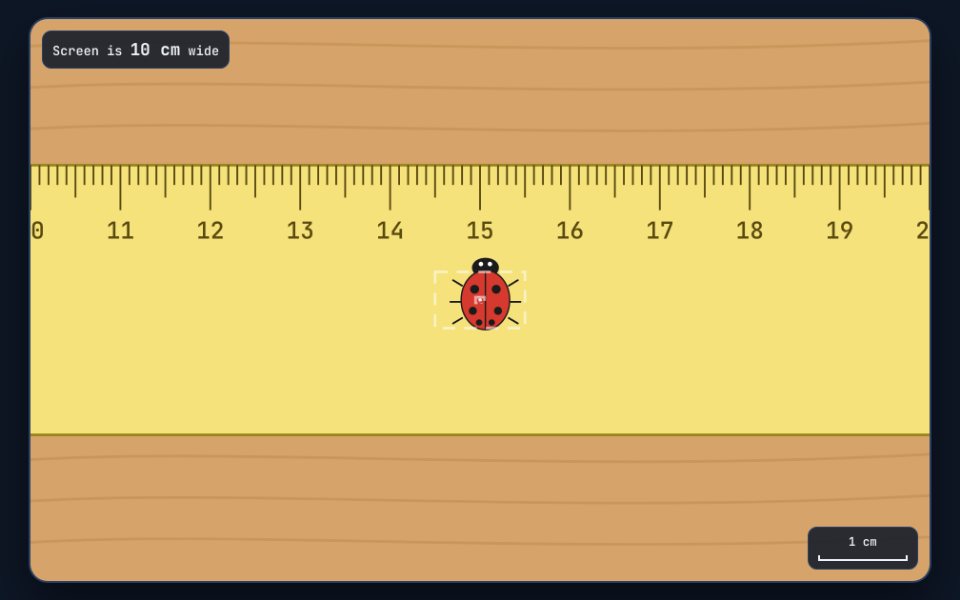
E2.1 · Metric units and prefixes
 Up next
Zoom from a kilometre to a millimetre
7 min -
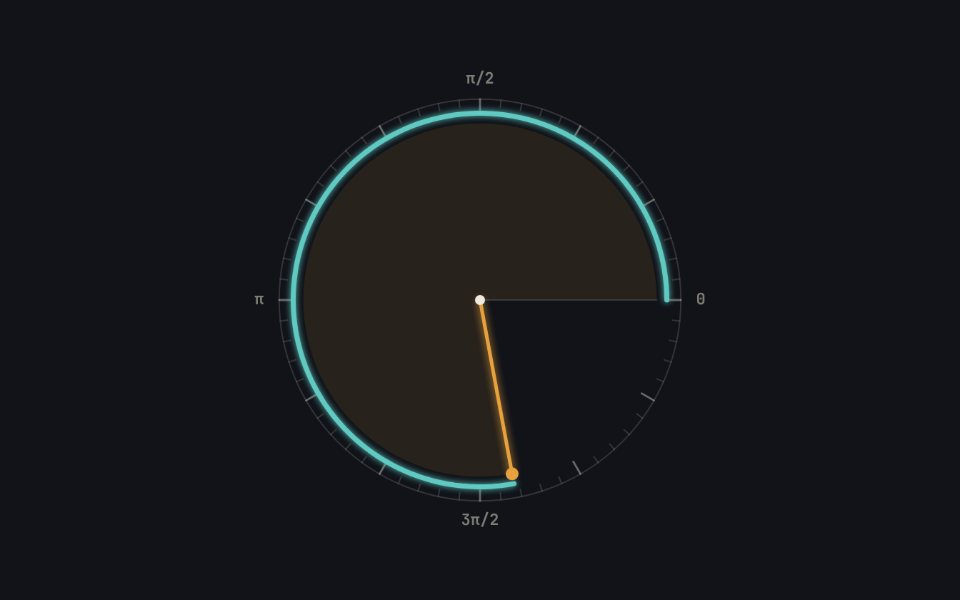
E2.3 · Circumference and π
 Up next
τ — one full turn
-
E2.3 · Area of a circle
 Up next
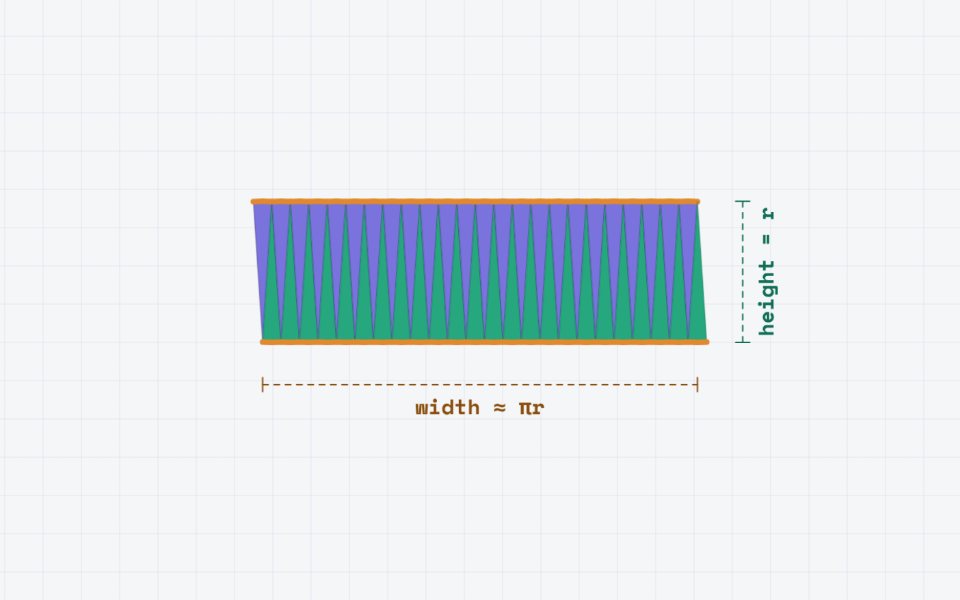
Why is a circle's area πr²?
-
E2.4 · Pythagorean theorem
 Up next
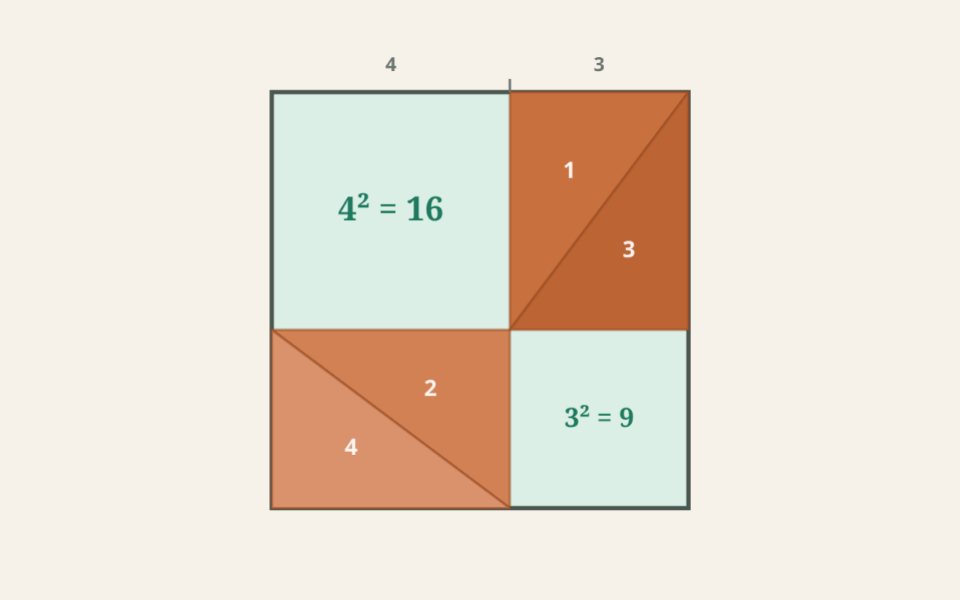
Why does 3-4-5 work?
Every idea
Grouped by curriculum strand. A filled dot means there is a lesson.
B Number3 / 12 with a lesson
- Scientific notationComing soonB1.1 · E2.13 × 10⁶ doesn't make you count zeros: the exponent just says how many places the digits slide.
- Multiplying by 10, 100 and 1000Why isn't ×10 just "add a 0"?B2.3Multiplying by 10 moves every digit one place to the left; 'add a zero' is only a shortcut, and it breaks for decimals.
- Square rootsRadicals Unpacked — The Radical LabB1.3 · B2.2√49 asks one question: what side length makes a square with area 49?
- Irrational numbersComing soonB1.2 · C1.4√2 is a real length you can draw, yet no fraction lands exactly on it, so its decimals never stop or repeat.
- PercentComing soonB1.4Percent means 'out of 100', so 150% is one and a half wholes and 0.5% is half of one hundredth.
- Adding and subtracting integersComing soonB2.4A positive and a negative cancel to zero, so subtracting a negative is like taking away a debt: you end up higher.
- Multiplying and dividing integersComing soonB2.7Multiplying by −1 turns you around on the number line; turn around twice and you face forward again, so negative × negative is positive.
- Adding and subtracting fractionsComing soonB2.5You can only add pieces of the same size, so first cut both fractions into matching pieces.
- Multiplying fractionsComing soonB2.61/2 of 2/3 is a rectangle inside a rectangle: the overlap is the answer.
- Dividing fractionsComing soonB2.63 ÷ 1/4 asks how many quarters fit in 3; each whole holds 4, so the answer is 3 × 4.
- Properties of multiplicationWhy does 7 × 13 equal 70 + 21?B2.1Turning, regrouping or splitting an array never changes how many squares it holds; that is why order, grouping and splitting don't change a product.
- Proportional reasoningComing soonB2.1 · B2.8 · E1.3Equal ratios scale together: double one side and the other doubles too.
C Algebra5 / 8 with a lesson
- Repeating and growing patternsDoes a pattern repeat or grow?C1.1A repeating pattern cycles through the same core; a growing pattern changes by a rule at every step.
- One pattern, many representationsShapes, table, graph: one pattern?C1.2The same growing pattern can be drawn as shapes, written as a table of values, or plotted as points on a graph.
- Linear patternsComing soonC1.1 · C1.2 · C1.3A linear pattern is a starting value plus the same step every time; the step is the rate of change.
- VariablesWhat does the letter stand for?C2.2A letter or symbol holds the place of a number we don't know yet.
- Combining like termsComing soonC2.13x + 2x = 5x for the same reason 3 apples + 2 apples = 5 apples, and x + 3 can't merge any more than apples and oranges.
- Equations as balanceWhat does the = sign really mean?C2.3An equation is a balance: do the same thing to both sides and it stays level.
- InequalitiesHow many answers can □ + 3 < 10 have?C2.4An inequality's answer is not one number but a whole stretch of the number line.
- Code that analyses dataComing soonC3.1 · C3.2A loop lets code do to a thousand rows what you would do to one, so changing one line changes every result.
D Data1 / 6 with a lesson
- Kinds of data and choosing a graphCan a graph lie about pets?D1.3Data is either measured and counted (quantitative) or sorted into categories (qualitative), and the graph has to fit the kind of data.
- Two-variable dataComing soonD1.1 · D1.3Each dot on a scatter plot is one thing measured two ways; together the dots show whether the two measures move together.
- CorrelationComing soonD1.5 · D1.6Two measures can rise together without one causing the other; a third thing may be pushing both.
- Misleading graphsComing soonD1.6The same numbers can look huge or tiny depending on where the axis starts, so a graph can mislead without a single false number.
- Compound eventsComing soonD2.1 · D2.2Each branch of a tree diagram splits every outcome before it, so probabilities along a path multiply.
- Experimental vs theoretical probabilityComing soonD2.2Ten flips can look wild, but a thousand settle close to the theory: more trials, less surprise.
E Spatial Sense5 / 13 with a lesson
- TessellationsComing soonE1.1Shapes tile a floor with no gaps exactly when the angles meeting at each corner add to 360°.
- Views of 3D objectsComing soonE1.2A top view, a front view and a side view together pin down a 3D object; one view alone can hide things.
- Scale factor and areaComing soonE1.3Stretch every length by k and the area grows by k × k, so doubling a map makes it four times bigger.
- Translations and reflectionsFlip and slide: fit the shadowE1.4Sliding or flipping a shape changes where it is, never its size or shape.
- DilationsComing soonE1.4Dilating from the origin multiplies every coordinate by the same number, so the shape keeps its angles but changes size.
- Angles and parallel linesComing soonE2.2A line crossing two parallel lines makes the same set of angles twice, which is why alternate and corresponding angles match.
- Angle sum of polygonsComing soonE2.2Any polygon with n sides cuts into n − 2 triangles, so its angles add to (n − 2) × 180°.
- Metric units and prefixesZoom from a kilometre to a millimetreE2.1Kilo means a thousand and milli means a thousandth: the same base-ten trade as place value.
- Circumference and πτ — one full turnE2.3π is how many diameters it takes to wrap around any circle, big or small: always a little more than 3.
- Area of a circleWhy is a circle's area πr²?E2.3Cut a circle into thin wedges and line them up: they make a rectangle πr long and r tall, so the area is πr².
- Volume of prisms and cylindersComing soonE2.3A prism is the same slice stacked up, so its volume is the area of the base times the height.
- Surface areaComing soonE2.3Unfold a box flat and its surface area is just the area of that net.
- Pythagorean theoremWhy does 3-4-5 work?E2.4Rearrange four copies of a right triangle inside one big square and the hole changes from c² into a² + b².
F Financial Literacy0 / 1 with a lesson
- Compound interestComing soonF1.4Interest earns its own interest, so the money doesn't grow in a straight line: it curves upward.
Practised inside lessons, not separate pages
These expectations are about speed and fluency with an idea above. They show up as practice in that idea's lesson.
- B2.1 Use properties, order of operations and links between operations to solve multi-step problems with rational numbers, ratios, rates and percents.
- B2.2 Know common square numbers and their square roots.
- C1.3 Use pattern rules to extend patterns, predict, find missing terms, and solve for unknowns in linear patterns.
- C2.2 Evaluate algebraic expressions with rational numbers.
- C3.2 Read and change existing data-analysis code, and describe how the changes affect results and efficiency.
Not covered here
These are projects, process skills or everyday money knowledge. They don't have a single "why" to take apart, so we leave them to the classroom.
- C4.1 Apply the mathematical modelling process to real-life situations.
- D1.2 Collect continuous two-variable data and organize it in tables of values.
- D1.4 Create an infographic that tells a data-driven story.
- F1.1 Weigh payment methods when dealing with several currencies and exchange rates.
- F1.2 Make a financial plan for a long-term goal, including income, expenses and taxes.
- F1.3 Keep a budget balanced and track income and spending.
- F1.5 Compare ways to get more value for money, such as sales and loyalty programs.
- F1.6 Compare credit card interest rates, fees and rewards to find the best option.